News

List of articles

Bronchitis: Symptoms, Treatment, and How the Priessnitz Wrap Helps

Bronchitis: Symptoms, Treatment and How the Priessnitz Wrap Helps

Bronchitis, is one of the most common respiratory diseases that affects millions of people every year – especially in the autumn and winter months. It is characterized by an unpleasant cough, a feeling of pressure in the chest and general fatigue. In this article, you will learn how to recognize bronchitis, how to treat it effectively and what role the proven Priessnitz wrap plays.

What is bronchitis?

Bronchitis occurs when the mucous membrane of the bronchi (the tubes that carry air to the lungs) becomes inflamed and begins to produce excessive amounts of mucus. The body tries to get rid of the mucus by coughing, which is initially dry and irritating, later turning into a productive cough with expectoration of mucus.

There are two main types:

Acute bronchitis – the most common form, usually caused by a viral infection. It lasts 7-21 days and usually goes away on its own without antibiotics.

Chronic bronchitis – lasts for months to years, often in smokers or people exposed to polluted environments. It can lead to permanent lung damage (COPD).

Symptoms of bronchitis

How do you know if you have bronchitis? Typical symptoms include:

  • Cough – initially dry, irritating, later with expectoration of mucus (clear, yellow or green)
  • Pain or pressure behind the breastbone
  • Burning in the bronchi
  • Increased temperature or fever
  • Fatigue and general weakness
  • Dysthrombosis or wheezing
  • Headache and sore throat

In children, the symptoms are similar, but bronchitis often occurs without a significant temperature. Premature babies, non-breastfed babies and children exposed to cigarette smoke are particularly at risk.

How is bronchitis treated?

Treatment depends on the origin and severity of the disease:

Viral bronchitis (the most common) is treated symptomatically:

  • Rest and plenty of sleep
  • Sufficient fluid intake (water, herbal teas)
  • Humidification of the air in the room
  • Cough suppressants (antitussives for dry coughs, mucolytics for loosening mucus)
  • Antipyretics for fever

Bacterial bronchitis requires antibiotics, which a doctor will prescribe after an examination.

Natural methods of treating bronchitis

In addition to conventional treatment, there are a number of proven natural methods that speed up recovery and relieve symptoms:

  • Herbal teas – thyme, plantain, thyme, elderberry or ginger help loosen mucus and soothe an irritating cough.
  • Homemade syrups – onion honey, garlic honey or thyme syrup act as natural antibiotics and make coughing easier.
  • Inhalation – inhaling steam with the addition of eucalyptus or pine oil releases clogged airways.
  • Priessnitz wrap – one of the most effective traditional methods for treating bronchitis. Wrap for the bronchi.

Priessnitz wrap for bronchitis

Priessnitz wrap is a traditional natural method that has been used for more than 150 years. The principle is to apply a cold, wet compress to the chest, which is then covered with a dry layer and a blanket. The body responds by increasing blood flow to the affected area.

Effects of the Priessnitz wrap:

  • Improves blood circulation – accelerates the removal of inflammatory substances from tissues
  • Relaxes the airways – helps dissolve and cough up mucus
  • Relieves pain – reduces the feeling of pressure and burning in the chest
  • Supports immunity – stimulates the body's natural defenses
  • Soothes cough – reduces the intensity and frequency of cough
  • Has no side effects – unlike medications, it is gentle on the body

The Priessnitz wrap is recommended to be applied for 2–3 hours, ideally several times a day or overnight. It is suitable for both adults and children (we recommend consulting a doctor for young children).

When to see a doctor?

Bronchitis usually subsides within 2–3 weeks. You should see a doctor if:

  • Your cough lasts longer than 3 weeks
  • You are coughing up blood or bloody mucus
  • You have a high fever (over 38.5°C)
  • You have severe shortness of breath or chest pain
  • Your symptoms are getting worse instead of better
  • You suffer from chronic lung disease (asthma, COPD)

Prevention of bronchitis

How to prevent bronchitis?

  • Don't smoke and avoid passive smoking
  • Ventilate rooms regularly
  • Humidify the air during the heating season
  • Strengthen your immunity (vitamin C, D, zinc, get enough sleep)
  • Wash your hands and maintain hygiene
  • Avoid contact with sick people
  • Treat colds and flu early

FAQ - Frequently asked questions about bronchitis

How long does bronchitis last?
Acute bronchitis usually lasts 7-10 days, the cough can persist for 2-3 weeks. The chronic form lasts for months to years.

Is bronchitis contagious?
Yes, viral bronchitis is contagious and spreads through droplets (coughing, sneezing). Chronic bronchitis is not contagious.

What is the difference between bronchitis and pneumonia?
Bronchitis affects the bronchi, pneumonia affects the lung tissue. Pneumonia is more serious and requires more intensive treatment.

Does the Priessnitz wrap help with bronchitis?
Yes, the Priessnitz wrap improves blood circulation, relaxes the airways, relieves pain and promotes expectoration of mucus.

When to use antibiotics?
Antibiotics are only effective for bacterial bronchitis. Viral Bronchitis (90% of cases) is not treated with antibiotics. Consultation with a doctor is necessary.

Is bronchitis dangerous for children?
In healthy children, it usually resolves without complications. It is more risky for infants, premature babies and children with asthma.

How to cure bronchitis quickly?
By combining rest, plenty of fluids, herbal teas, Priessnitz wraps and possibly cough medicines, the course can be significantly accelerated and alleviated.

More information about the product can be found at www.priessnitzuvzabal.cz/en

Bronchitis and respiratory tract inflammation: Symptoms, treatment and the role of the Priessnitz wrap

Bronchitis is one of the most common respiratory diseases. It is mainly manifested by a strong cough, chest pain, a feeling of pressure in the bronchial area and sometimes an increased temperature. Acute bronchitis is caused by viruses and often occurs after a cold or inflammation of the nasal sinuses. Chronic bronchitis can be the result of repeated infections, smoking, or prolonged stay in a dusty environment.

For the treatment of bronchitis, regimen measures are recommended: rest, plenty of fluids, air humidification and cough suppressants. Natural methods also play an important role here, among which the Priessnitz wrap stands out.

Effects of the Priessnitz wrap for bronchitis

The Priessnitz wrap is a proven home method for the treatment of respiratory tract inflammation and chest pain. The principle is to apply a cold and then a warm compress to the affected area.
The main effects of the Priessnitz wrap include:

  • Improves blood circulation in the tissues, which results in faster removal of inflammatory substances.
  • Relieves pain and a feeling of pressure in the chest area.
  • Increases the effectiveness of immunity and helps faster regeneration of mucous membranes.
  • Relaxes the airways and reduces the intensity of coughing.
  • Supports the absorption of mucus from the bronchi and sinuses.

The Priessnitz wrap is recommended for bronchitis, sinusitis or irritating cough, when it helps the body fight inflammation better without the side effects of medication.

When to see a doctor?

If the cough lasts longer than ten days, is accompanied by shortness of breath, high fever or significant chest pain, it is advisable to see a doctor. Chronic bronchitis should not be underestimated - it can lead to permanent lung damage.

Prevention of respiratory tract inflammation:

  • Avoid smoking, ventilate the home regularly.
  • Strengthen the immune system (enough vitamins, exercise in the fresh air).
  • Treat colds and other infections in time so that they do not spread to the bronchi and sinuses.

FAQ – Frequently asked questions about bronchitis and the Priessnitz wrap

  • What is a Priessnitz wrap?
    • This is a homemade compress combining a cold and warm layer, which is applied to the chest or neck.
  • Does the Priessnitz wrap help with bronchitis?
    • Yes, it relieves pain, promotes blood circulation and relieves cough.
  • How long should you use the Priessnitz wrap?
    • Usually 2-3 hours, depending on tolerance and recommendations, the effect can be supported by repeating it several times a day.
  • Is it also suitable for children?
    • Yes, but for small children we recommend consulting a doctor about the procedure.
  • Which natural substances will support the effect of the wraps?
    • Regular air humidification, drinking herbal teas, inhalation, and staying in a quiet environment.

Recommended products:

https://www.priessnitzuvzabal.cz/en/multipurpose-warm-wrap-vest-s-m-raspberry/
https://www.priessnitzuvzabal.cz/en/universal-multipurpose-neck-and-nape-wrap-raspberry/

Sore knees and swelling? When will heat help and when will the Priessnitz wrap help?

Knee or elbow pain can put not only top athletes but also gardeners out of action. You often ask: "Should I cool it or heat it?" The answer is not clear, but the Priessnitz joint wrap ingeniously combines both.

Why is ice alone not enough?

Ice (cryotherapy) is great immediately after an injury to prevent massive swelling. But ice only "deadens" the pain. You need blood to heal.
The Priessnitz wrap starts with cold (reduces swelling), but then overheats the area. This brings fresh blood with nutrients to the joint, which speeds up the regeneration of damaged tissues.

What does the wrap work best for?

  • Rheumatic pain and osteoarthritis: Relieves morning stiffness of the joints.
  • Water in the knee: Helps absorb fluid (after consulting a doctor).
  • Strained muscles and tendons: Ideal after a hike or hard work in the garden.

Comfortable solution for knees

Tying a wet towel around your knee that falls off when you walk is annoying. Our [special knee and elbow wraps] are anatomically shaped. Thanks to the Velcro fasteners, they stay in place even when you move, so you can cook or watch TV with the healing wrap.

Nighttime cough and laryngitis? Why is the Priessnitz wrap safer than syrups?

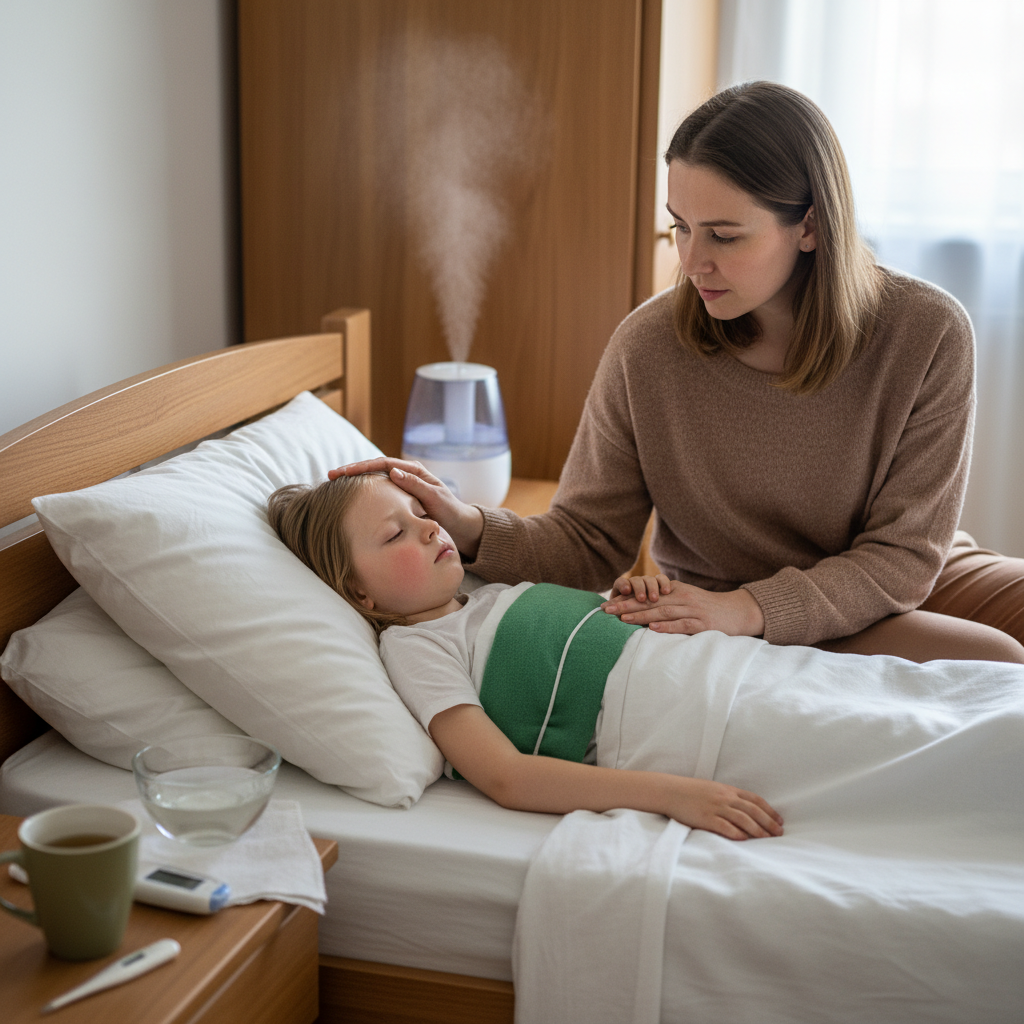
Every parent knows this. The child is fine during the day, but as soon as they go to bed, a coughing fit begins. Before you reach for another chemical syrup, try the method that pediatricians have recommended for decades. The Priessnitz wrap for children is gentle, has no side effects, and works immediately.

When will a wrap on the chest help and when on the neck?

With children, it is crucial to know where to place the wrap:

  • On the neck (Laryngitis, tonsillitis): If the child is wheezing, hoarse, or has a so-called "barking" cough, apply the wrap to the neck. The cold will reduce swelling of the vocal cords and make breathing easier.
  • On the chest (Dry irritating cough): If the cough comes from the bronchi, a wrap on the chest will help relieve muscle tension and soothe irritation.

Specifics for children: Pay attention to the water temperature

Children's skin is more sensitive. While adults can tolerate ice water (8–16 °C), for children and toddlers we choose lukewarm water (approx. 22 °C).

  • Tip: If the child is uncomfortable with the wrap and cries, do not force it. Try modern [children's wraps], which are soft, colorful and the child can sleep peacefully in them without being pressed by the knot of a wet towel.

How long should the wrap be left on for children?

A shorter time is often sufficient for children. To calm an acute cough attack, leave the wrap on for 30–60 minutes. If the child falls asleep, you can let the wrap run until the warming phase (2–3 hours), but never leave the wrap on overnight (the skin may become steamy).

Priessnitz wrap step by step: When does it help and how to avoid common mistakes?

Priessnitz wrap step by step: When does it help and how to avoid common mistakes

In an era full of antibiotics and painkillers, we often forget about the tried and tested methods of our grandmothers. However, the Priessnitz wrap is one of the most effective natural treatments, which Vincenz Priessnitz gave to the world back in the 19th century. Whether you suffer from a sore throat, a dry cough or sore knees, this cold steaming compress can work wonders - if you apply it correctly, of course.

In this article, you will learn not only how the wrap works, but also how to save yourself the trouble of working with wet towels with modern wraps.

What is the Priessnitz wrap and how does it work?

Many people mistakenly believe that it is just "cooling". However, the magic of the Priessnitz wrap lies in the specific blood circulation process, which takes place in three phases. If you remove the wrap too soon, you will lose the most important healing effect.

  1. Cold phase (approx. 5–10 minutes): After applying a cold compress, the blood vessels contract and the temperature in the area drops. This helps with fever and acute swelling.
  2. Isothermal phase (approx. 30–40 minutes): The temperature equalizes and the blood vessels begin to dilate.
  3. Hyperemic phase (overheating): This is the key moment. The area begins to heat up intensively, which starts the immune processes, accelerates healing and relieves muscle tension.

What does the Priessnitz wrap help with?

This universal helper should not be missing in any home medicine cabinet. It is most often used for the following problems:

  • Respiratory tract diseases: Angina, laryngitis, pharyngitis, hoarseness and sore throat.
  • Cough: Mainly for dry, irritating coughs, but it also helps with bronchitis.
  • Fever: Used to gently reduce temperature (here the wrap is changed more often).
  • Musculoskeletal system: Rheumatism, joint pain, strained muscles or sprained ankles (after acute swelling has subsided).

Instructions: How to make a wrap correctly (Classic vs. Modern)

In order for the wrap to work, you must strictly follow the rule of three layers.

Option A: Classic "grandmother's" method

It is laborious and often uncomfortable, but functional.

  1. Wet layer: Soak a cotton handkerchief in cold water and wring it out. Apply it tightly to the skin.
  2. Impermeable layer: Cover with a plastic bag (it must extend beyond the wet layer so that clothes do not get wet).
  3. Dry layer: Wrap with a warm scarf, woolen scarf or towel.

Option B: Modern Priessnitz Wrap (Recommended)

Why bother with falling plastic wrap and wet pajamas? Our modern wraps [Link to your e-shop] have all layers integrated in one convenient product with Velcro.

  • You wet the inner removable insert.
  • You insert it into the wrap belt (which has an impermeable and insulating layer).
  • You simply fasten it with Velcro.
  • Advantage: The wrap stays in place, does not strangle and the child cannot tear it off.

How long should you leave the wrap on?

This is where most mistakes are made. The duration of action depends on what you are treating: (in adults)

  • For the treatment of inflammation and fever (throat, joints, cough): Leave on for 1 hour to allow all three treatment phases to take place. Then remove the wrap and take a break of at least 0.30 hours.
  • To reduce fever: This is only the first (cold) phase. Apply the wrap to the chest or calves for only 15-20 minutes until the material warms up. Then repeat the process.

When not to use the wrap?

Although the method is natural, there are situations when it is not suitable:

  • For infected, festering wounds.
  • For skin diseases (eczema) that would worsen with moisture.
  • For very young children and cardiac patients, it is always better to consult a doctor.
  • If you feel cold or have chills - the body must warm up first.

Are you suffering from a sore throat or are you looking for relief for your joints? Check out our offer of [Traditional wraps for the whole family] and experience the power of water for yourself.

Fever, inflammation, fatigue, stiffness? The Priessnitz wrap will help.

When to use a Priessnitz wrap?

In modern times, full of drugs (antibiotics) and quick fixes, methods that have worked for centuries are often forgotten. The Priessnitz wrap is one of them. It helps the body activate natural regeneration, relieve pain and inflammation without chemicals.

This simple principle - a combination of a wet and dry layer - can offer relief in many situations. Let's show you specific examples from practice when the wrap really helps.

Fever - when the body needs to cool down

Fever is a natural defense reaction of the body, but at high temperatures it is advisable to cool down the body.
This is where the cold Priessnitz wrap comes into play.

How to do it:

  1. Soak the inner fabric in cold water, wring it out slightly and place it in the wrap.
  2. Apply to the neck, forehead or chest.
  3. The Priessnitz wrap is ready

⏱️ Duration: 20–40 minutes, repeat as needed.

The wrap helps cool the body and at the same time promotes natural sweating, thus reducing the temperature without the need for medication.

👉 Recommended product:
Universal wrap for the neck and nape

Inflammation – when you need to calm down and increase blood flow

Inflammation is the body's reaction to overload, injury or infection.
The Priessnitz wrap helps activate blood circulation, remove harmful substances and accelerates healing.

Example from practice:

After exercise or a cold, you feel pain in your throat or bronchi. Simply apply a damp cold wrap and cover it with a dry layer.
The temperature contrast triggers a reaction blood flow, which helps regeneration and reduces pain.

💡 This method is also suitable after an injury or when the knee or ankle is swollen.

👉 Recommended products:

Bronchial wrap for adults

Joint wrap

Fatigue – natural awakening of the circulatory system

When the body reacts with fatigue, it is a signal of slowed circulation and muscle overload. Then the dry warm version of the Priessnitz wrap will help.

How to proceed:

  • Do not soak the inner fabric and place it dry in the wrap belt. Heat the heating pad and place it in the wrap belt.
  • Apply to the desired area – e.g. neck, hips or joints.
  • Leave on for 15–30 minutes.

A warm wrap improves blood circulation, relieves tension and brings deep relaxation.
It is ideal after sports, a hard day or for back pain.

👉 Recommended products:

Universal neck and nape wrap

Knee wrap

Stiffness – the most common problem with a sedentary lifestyle

Pain in the cervical spine, shoulders or back is common today. When stiffness occurs, it is key to relax the muscles and improve circulation.

Recommended procedure:

  • Apply a dry warm wrap to the neck or back.
  • After removing, gently stretch or massage the affected area.
  • Repeat 1–2 times a day.

The wrap increases muscle flexibility, releases blockages and improves overall comfort of movement.

How to know when to use a hot and cold wrap


Type of problem Recommended wrap Goal
Fever, swelling, inflammation Cold Soothing and cooling
Fatigue, stiffness, regeneration Warm dry Relaxation and blood circulation


A proven method for everyday use

The Priessnitz wrap is not just a supplement for illness. It is a gentle body care ritual that you can use anytime:

  • after sports,
  • when working at the computer,
  • after a long car ride,
  • or simply when you need to relax.

The traditional power of water and heat in the modern world

The wraps according to the Vincenzo Priessnitz method represent a return to simplicity.
No chemicals, no electricity – just water, fabric and your body.
Thanks to modern materials, they become an effective and comfortable way to help the body regenerate.

🌿 Try the natural path to relief yourself – your body will reward you.


🔗 Recommended products:

Universal multi-purpose neck wrap

Joint wrap

Adult bronchial wrap

Why are Priessnitz wraps ecological and effective?

Natural treatment that has survived centuries

The Priessnitz wrap is a method that has its roots in the 19th century, when it was discovered by Vincenz Priessnitz – a visionary of natural treatment. His approach was simple but ingenious: to use the power of water, heat and natural materials to activate the body's natural regenerative abilities.

Today, we are returning to this traditional method – not only because of its effectiveness, but also because it fits perfectly into modern ecological thinking.


Why is the Priessnitz wrap still relevant
At a time when we are looking for ways to treat more gently, sustainably and without unnecessary chemicals, Priessnitz wraps are becoming the ideal solution.
✅ They are natural
✅ Reusable
✅ They do not produce waste
✅ They do not require additional energy, except for human energy – our body heat or cold water.

The wrap is therefore not only a possible health aid, but also an ecological alternative to disposable compresses and plasters.

Ecological materials – a return to nature
Modern Priessnitz wraps are made from natural and recyclable materials.
The basis is a special fabric that allows the skin to breathe and at the same time ensures pleasant contact with the body.

Advantages of ecological material:

  • 100% cotton – no synthetic fibers
  • long life (can be washed repeatedly)
  • hypoallergenic, suitable for children and sensitive skin
  • made locally in the Czech Republic

Thanks to hand sewing and high-quality textiles, the Priessnitz wrap becomes a product with a minimal ecological footprint.

Local production as a guarantee of sustainability

Each wrap from our workshop undergoes honest handmade production. We do not use cheap imported materials or mass production.
This means:

fewer emissions from transport,

support for local jobs,

higher quality and supervision of each piece.

In addition, when you buy a high-quality reusable wrap, you save not only nature, but also your wallet - one Priessnitz wrap can last for years.

Effectiveness confirmed by practice

The principle of action has not changed:
the combination of a moist and dry layer creates a temperature effect that promotes blood circulation, removal of harmful substances and regeneration.

How it works:
The inner (moist) layer activates the body's reaction - the area becomes nourished with blood and begins to regenerate.

The outer (dry) layer retains heat and prolongs the effect.

This natural process helps with:

  • inflammation and swelling,
  • neck and nape pain,
  • colds, coughs and muscle stiffness,
  • migraines, fatigue even after physical exertion.

Gentle on the skin and health
Unlike chemical gels or electric heating patches, the Priessnitz wrap does not contain any artificial substances. It is therefore also suitable for allergy sufferers, children and people with sensitive skin.

When you use natural substances and plain water, you treat without the risk of irritation and without side effects.

Recycling and long life

Modern Priessnitz wraps are designed to last.
After use, you simply wash them, dry them and reuse them.
No plastic, no disposable fillings, no disposable packaging.

➡️ One wrap replaces dozens of disposable wraps.

In this way, you not only save nature, but also dozens of plastic packaging that would otherwise end up in landfill.

Combining tradition and innovation

Today's Priessnitz wraps are based on the original method, but use modern elements:

  • Velcro for easy fastening,
  • Multi-layer construction for better heat retention,
  • Different sizes according to body part (neck, bronchi, knee, joints, head),
  • Universal and children's versions.

This combination of tradition and innovation makes the wraps an effective and at the same time ecological helper that has a place in every household.

Czech product with a guarantee of quality

Each wrap from our production is created in the Czech Republic - in a small sewing workshop in Kadaň, which emphasizes quality, handwork and an ecological approach. We support local jobs, social entrepreneurship and responsible production.

💚 When you buy a Priessnitz wrap, you support health, local production and a sustainable future.

Ecology, efficiency and health in one

The Priessnitz wrap is proof that traditional methods have their place in the modern world.
It is an ecological solution that does not burden nature, and at the same time an effective tool for the health of the whole family.

Thanks to high-quality materials, local production and proven functionality, it represents a modern, effective and sustainable alternative to chemical products and disposable products.

🔗 Recommended products:

Universal multi-purpose wrap for the neck and nape

adult bronchial wrap

Children's neck and bronchial wrap

How the Priessnitz Wrap Works – A Natural Method for Pain and Inflammation Relief

The Priessnitz wrap is a proven method that uses the body's natural ability to respond to temperature stimuli. The principle is based on a combination of a cold, moist layer and a dry, protective layer, which together stimulate blood circulation and support self-healing processes. When the moist material touches the skin, it cools slightly. The body responds by dilating blood vessels, which increases blood flow to the affected area. This results in faster flushing of inflammatory substances and pain relief.

This method has a wide range of uses - from colds and sore throats to muscle or joint pain. In its modern form, specially sewn wraps are used that guarantee comfort, proper adhesion to the body and ease of use. The universal multi-purpose neck and nape wrap from our workshop is made of high-quality cotton fabrics that allow optimal contact with the skin and good temperature retention. The Velcro ensures that the wrap holds firmly and does not interfere even when worn for a long time.

Unlike ice packs, the aim of the Priessnitz wrap is not to “freeze” the area of ​​inflammation, but to trigger a natural reaction in the body that activates its own defense mechanisms. Therefore, the wrap is also suitable for children, seniors or people with more sensitive skin. This method, known since the 19th century thanks to Vincenzo Priessnitz, is being rediscovered today as a gentle and effective alternative to chemical medications.

👉 Try our Universal Multipurpose Wrap for the Neck and Nape and discover the power of natural regeneration.

For frequent urinary tract infection helps salt compresses and hip shaking

For frequent urinary tract infection helps salt compresses and hip shaking

Anyone who has ever experienced cystitis knows that it is a very unpleasant and painful disease. Burning, frequent urge to urinate and pain in the lower abdomen can torment for several days. Doctors often prescribe antibiotics, but in milder or early stages, proven home methods can also help.

How to recognize cystitis?

Typical symptoms include frequent urination, burning or stinging during urination, lower abdominal pain and a feeling of incomplete emptying. In some cases, blood in the urine or a high temperature may also occur.

Infection often occurs after catching a cold, swimming in a pool or due to an inappropriate diet (excess sugar, dairy products or spicy foods). Psychological influences, especially stress, are also common.

What helps with cystitis?

1. Cranberries in any form

Cranberries are a classic – they prevent bacteria from sticking to the walls of the bladder. You can use them as juice, tablets, tinctures and dried fruits.

2. Garlic – a natural antibiotic

Garlic contains substances that destroy even the most resistant bacteria. Just include one clove in your diet every day.

3. Drink from baking soda

Dissolve a teaspoon of baking soda in a glass of water and drink twice a day. Baking soda reduces the acidity of urine and relieves burning.

4. Bearberry extract

A powerful herbal remedy containing arbutin stops the growth of bacteria. Take for a maximum of 3 days and if the condition does not improve, see a doctor.

5. “Shaking hips” after urination

After emptying your bladder, stand up and move your hips from side to side for 20 seconds. This helps to release residual urine that would otherwise promote infection.

6. Salt compress for the kidneys or lower abdomen

Wrap heated salt in a cotton bag and towel and apply to the kidney or lower abdomen area. The heat relieves pain and promotes regeneration.

When to see a doctor?

If symptoms worsen, fever, blood in the urine appear, or the infection recurs more frequently, definitely do not delay seeing a doctor.

Have you heard about golden milk? We know how to make it.

Recipe for golden milk

Ingredients:

  • 1 teaspoon fresh turmeric or ½ teaspoon ground turmeric
  • 250 ml milk of your choice (cow's or plant-based)
  • ½ teaspoon ground cinnamon
  • 1 pinch of cayenne pepper
  • 1 teaspoon coconut oil or butter (ghee)
  • Honey for sweetening (optional)

directions:

  1. Heat the milk over low heat.
  2. If you are using fresh turmeric, mix it in a little water first, then add it to the milk.
  3. Add the cinnamon and cayenne pepper. Let it simmer briefly (be careful not to let the milk boil).
  4. Stir in the coconut oil or ghee.

Once cooled, season with honey if you want a sweeter version.


When to drink golden milk?

It is most often recommended at night before bed - it helps relax and regenerate the body. You can also drink it in the morning as needed, but not more than once a day.

Start with smaller doses to see how your body reacts.


Things to watch out for

  • Turmeric can be irritating to sensitive stomachs – start with caution.
  • Use only high-quality, unfiltered turmeric.
  • If you have a chronic condition, allergies or are taking medication, consult your doctor before using golden milk.
  • Do not exceed the recommended dosage.

Listing controls

11 items total
Top